Introduction
Watches are more than simple tools for telling time. They represent style, personality, technology, craftsmanship, and history. For centuries, watches have played an important role in human life, evolving from traditional pocket watches to modern smartwatches packed with advanced features. Today, watches are worn not only for practical purposes but also as fashion statements and status symbols.
In a world where smartphones can instantly display the time, many people still prefer wearing watches. The reason is simple: a watch reflects identity. Whether someone wears a luxury mechanical watch, a sporty digital watch, or a modern smartwatch, the choice says something about their personality and lifestyle.
This article explores the fascinating world of watches, including their history, types, features, benefits, popular brands, and future trends. By the end of this blog, readers will understand why watches continue to remain timeless accessories in the modern world.
The History of Watches
The history of watches dates back hundreds of years. Early civilizations used sundials and water clocks to measure time. However, portable timekeeping devices became popular during the 16th century.
The Beginning of Portable Timepieces
The first portable watches were pocket watches, introduced in Europe during the 1500s. These watches were large, heavy, and often worn around the neck. They were mainly owned by wealthy individuals because of their expensive craftsmanship.
As technology improved, watches became smaller and more accurate. By the 17th century, pocket watches had become popular among businessmen, travelers, and royalty.
The Rise of Wristwatches
Wristwatches became common during the early 20th century. Soldiers during World War I found wristwatches more practical than pocket watches because they allowed quick access to time during military operations.
After the war, wristwatches gained popularity among civilians. Manufacturers started creating stylish designs for men and women, transforming watches into fashion accessories.
The Quartz Revolution
One of the biggest changes in watch history occurred during the 1970s with the invention of quartz watches. Unlike traditional mechanical watches, quartz watches used batteries and electronic movements, making them more accurate and affordable.
Japanese brands such as Seiko and Casio played major roles in the quartz revolution. Their watches became highly popular because they required less maintenance and offered excellent precision.
The Smartwatch Era
In recent years, smartwatches have transformed the watch industry once again. Brands like Apple, Samsung, and Garmin introduced watches capable of tracking fitness, displaying notifications, answering calls, and even monitoring health conditions.
Modern smartwatches combine technology and fashion, making them highly attractive for younger generations.
Analog Watches
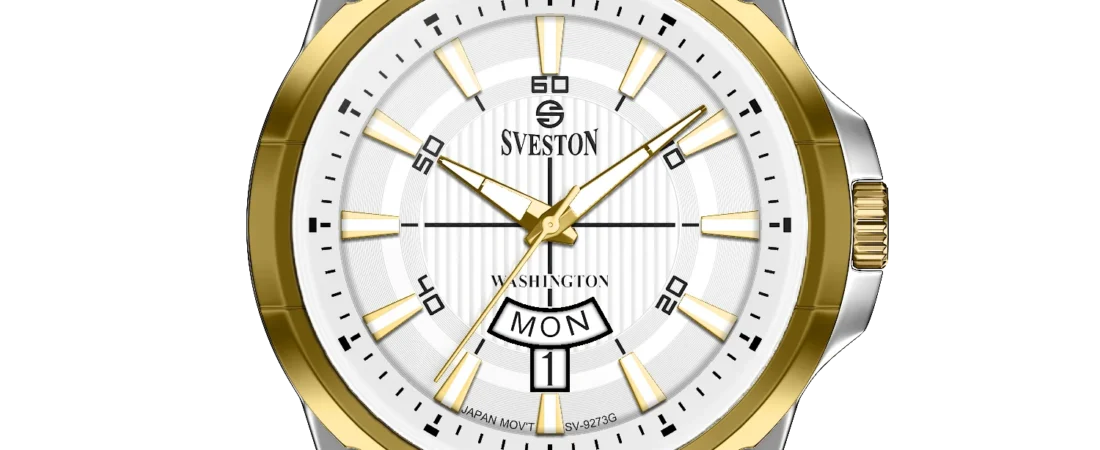
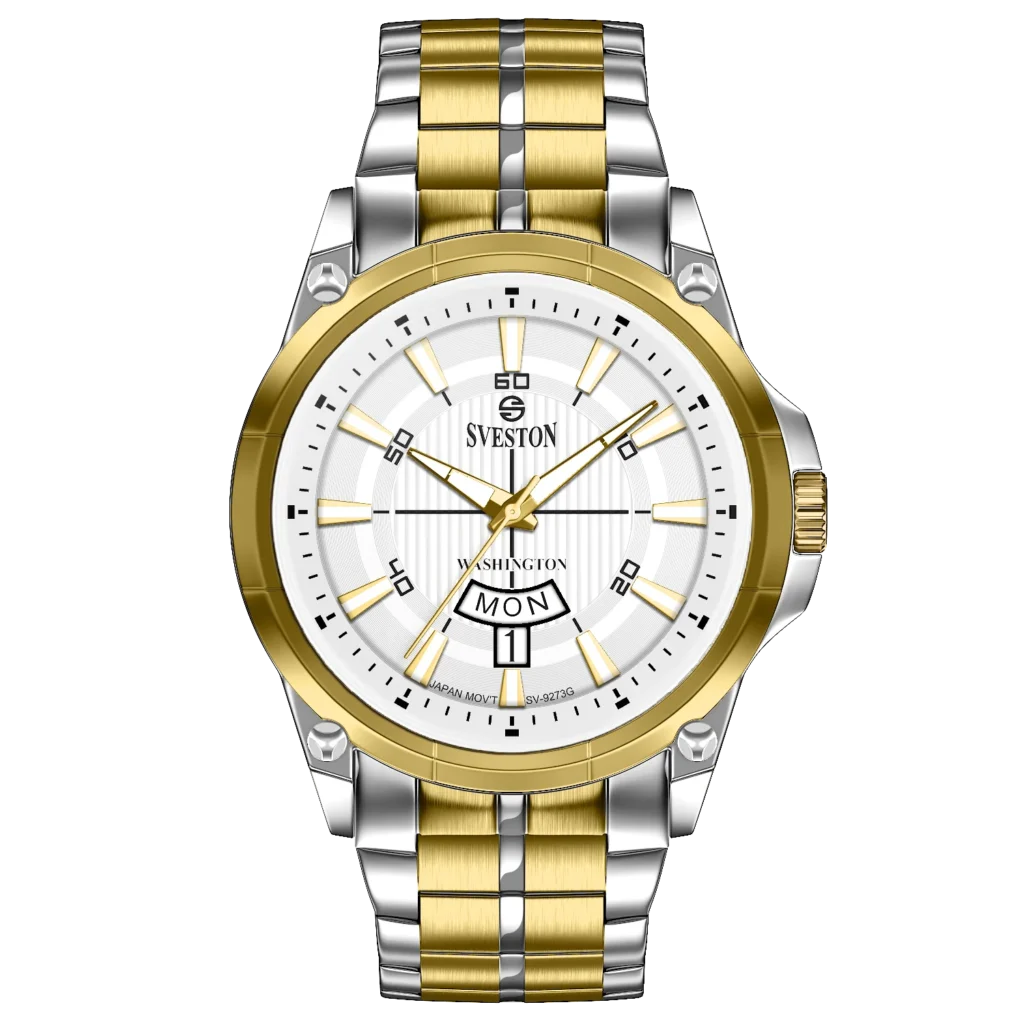
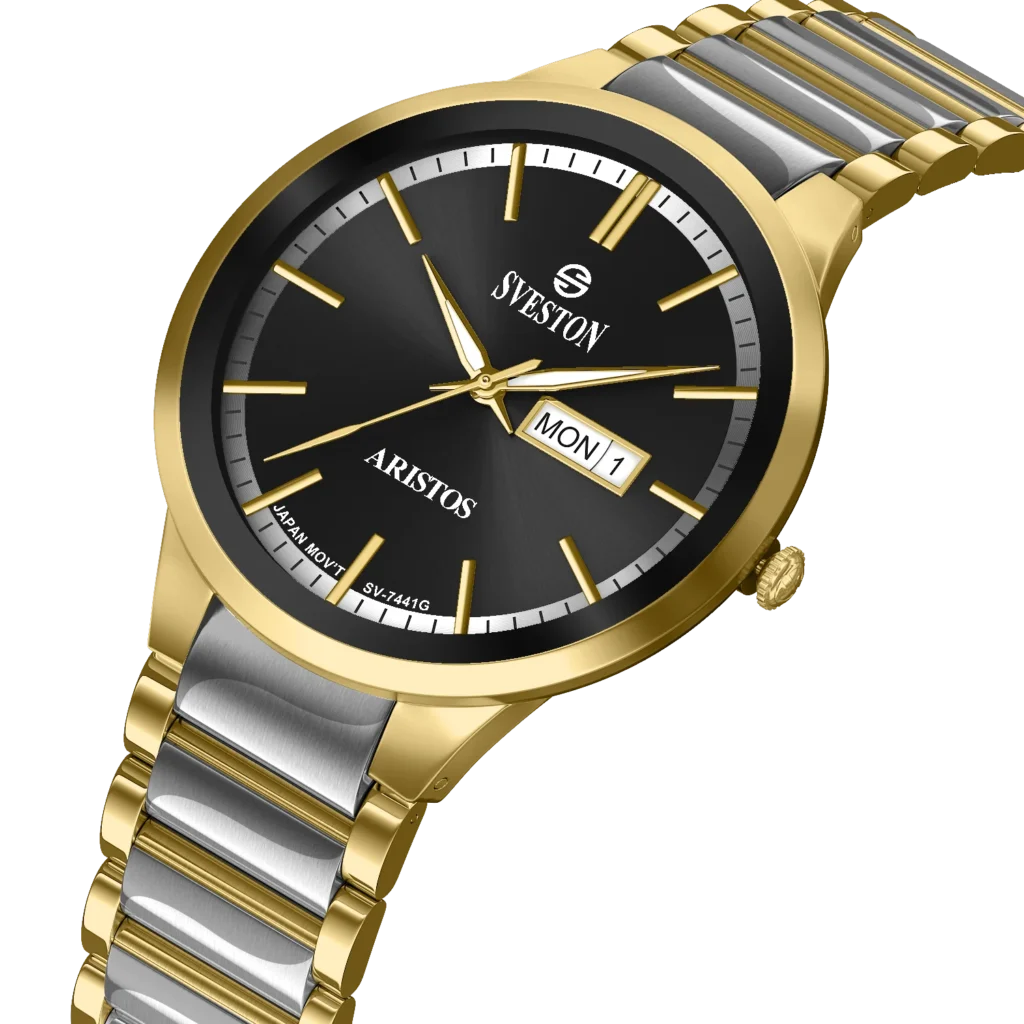
Analog watches display time using hour and minute hands. They are known for their classic and elegant appearance. Many luxury watches use analog displays because they offer timeless beauty.
Analog watches are commonly worn at formal events, business meetings, and special occasions.
Digital Watches
Digital watches show time using electronic numbers on a screen. These watches are usually more affordable and often include additional functions such as alarms, stopwatches, and backlights.
Digital watches are especially popular among students, athletes, and outdoor enthusiasts.
Mechanical Watches
Mechanical watches operate using springs and gears instead of batteries. They are admired for their craftsmanship and engineering.
There are two types of mechanical watches:
Manual Watches
Manual watches require regular winding by hand.
Automatic Watches
Automatic watches wind themselves through wrist movement.
Luxury watch collectors highly value mechanical watches because of their artistic design and precision.
Quartz Watches
Quartz watches use a battery-powered quartz crystal to maintain accurate time. These watches are reliable, affordable, and easy to maintain.
Most everyday watches available in stores today are quartz watches.
Smartwatches
Smartwatches are modern wearable devices connected to smartphones. They can:
- Track fitness activities
- Monitor heart rate
- Display notifications
- Answer calls
- Play music
- Track sleep patterns
- Use GPS navigation
Smartwatches are ideal for tech-savvy users and fitness lovers.
Why Watches Are Still Important Today
Even though smartphones can tell time, watches continue to hold great importance.
Convenience
Checking time on a wristwatch is faster and more convenient than taking out a smartphone.
Fashion and Style
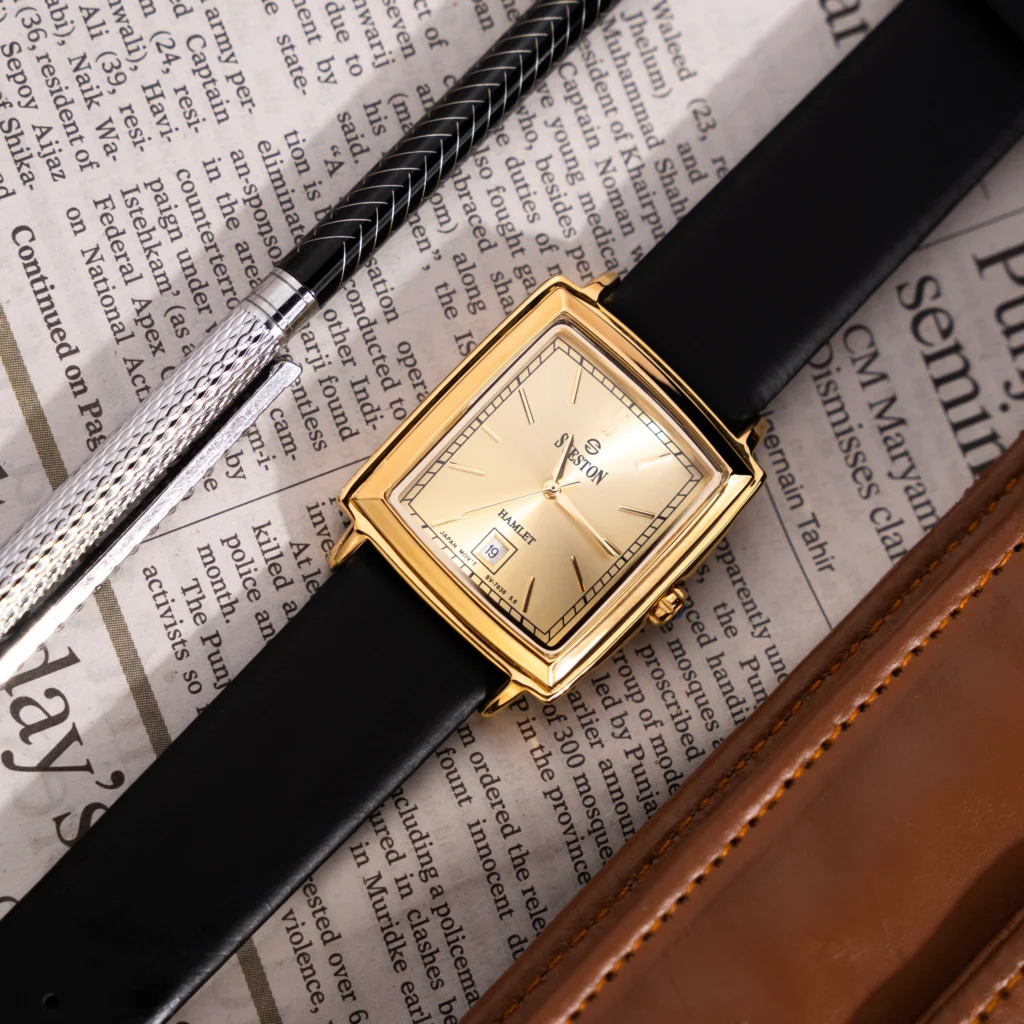
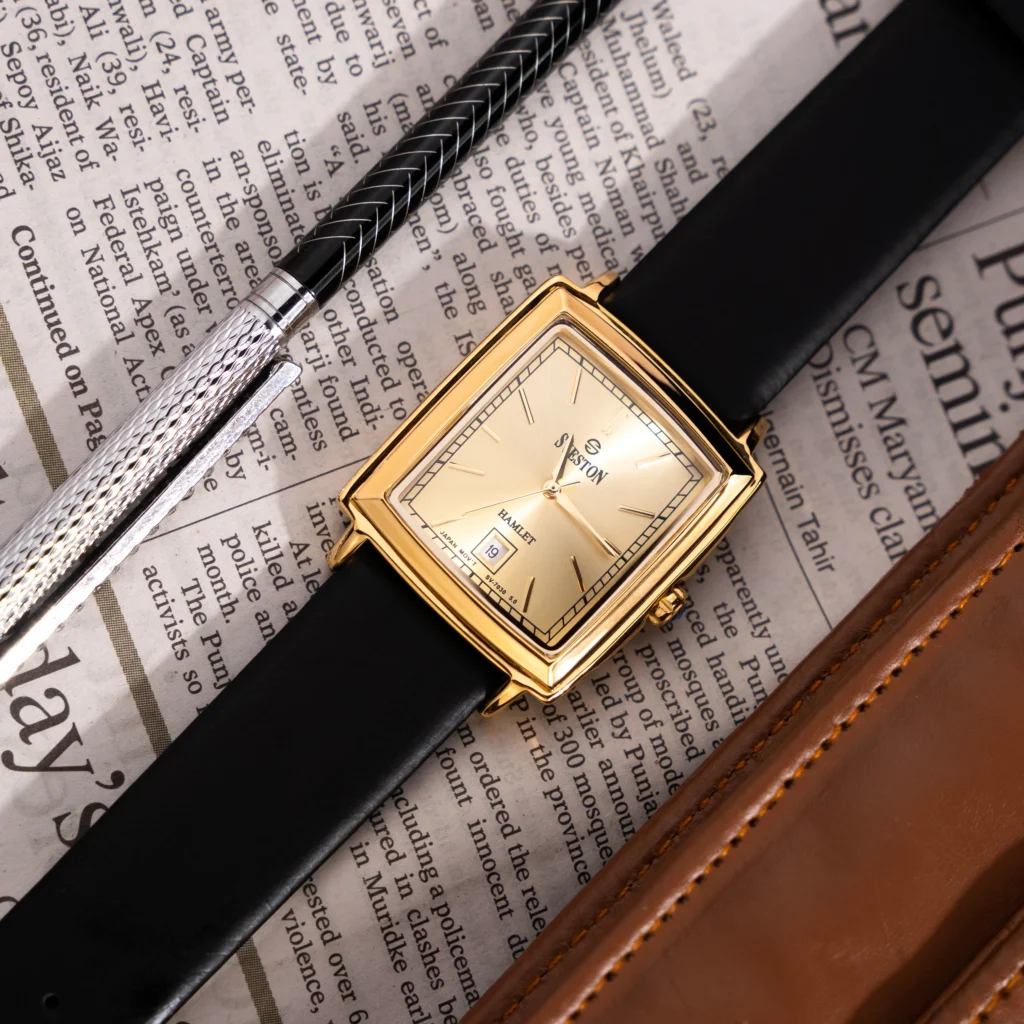
A watch enhances a person’s appearance. It adds elegance, professionalism, and confidence.
Different watch styles suit different outfits:
- Formal watches for business attire
- Sports watches for active lifestyles
- Casual watches for everyday wear
Professionalism
Wearing a watch often creates a positive impression. Many professionals wear watches because they represent punctuality and responsibility.
Personal Expression
People choose watches that reflect their personality. Some prefer luxury designs, while others enjoy sporty or modern styles.
Emotional Value
Many watches carry emotional significance. They may be gifts from loved ones or family heirlooms passed through generations.
Popular Watch Brands Around the World
Rolex
Rolex is one of the most recognized luxury watch brands. It is known for precision, durability, and timeless designs.
Omega
Omega watches are famous for their association with space missions and sports events.
Seiko
Seiko offers affordable and reliable watches with excellent technology.
Casio
Casio is known for durable digital watches and the popular G-Shock series.
Apple
Apple revolutionized the smartwatch market with advanced features and stylish designs.
Smartwatches and Modern Technology
Smartwatches have become increasingly popular due to technological advancements.
Health Monitoring
Modern smartwatches can track:
- Heart rate
- Blood oxygen levels
- Sleep quality
- Calories burned
- Stress levels
These features help users maintain healthier lifestyles.
Fitness Tracking
Athletes and fitness enthusiasts use smartwatches to monitor workouts and performance.
Communication Features
Smartwatches allow users to:
- Receive notifications
- Make calls
- Send messages
- Control music
Luxury Watches as Investments
Luxury watches are not only accessories but also valuable investments.
Increasing Value Over Time
Certain limited-edition watches increase in value due to rarity and demand.
Collectibility
Watch collectors often seek vintage and rare models.
Prestige and Status
Owning a luxury watch often reflects achievement and success.
Proper care can extend a watch’s lifespan.
Regular Cleaning
Clean watches regularly using a soft cloth to remove dust and sweat.
Avoid Water Damage
Even water-resistant watches should avoid unnecessary exposure to water.
Battery Replacement
Quartz watches need battery replacement every few years.
Safe Storage
Store watches in protective boxes away from moisture and extreme temperatures.
Watches play an important role in fashion and popular culture.
Celebrity Influence
Celebrities often promote luxury watch brands, increasing their popularity.
Watches in Movies
Many iconic movie characters wear famous watches that become highly desirable among fans.
The Future of Watches
The watch industry continues evolving with innovation and technology.
Advanced Smart Features
Future smartwatches may include:
- Improved health monitoring
- Artificial intelligence integration
- Longer battery life
- Advanced fitness tracking
Sustainable Manufacturing
Many companies are now focusing on eco-friendly materials and sustainable production.
Conclusion
Watches remain one of the most important and stylish accessories in the modern world. From traditional mechanical timepieces to advanced smartwatches, watches continue evolving while maintaining their timeless appeal.
A watch is far more than a device that tells time. It reflects personality, fashion, status, craftsmanship, and technology. Whether someone prefers a luxury Rolex, a sporty Casio, or a high-tech Apple Watch, every watch carries its own unique story.
As technology advances, the future of watches looks brighter than ever. Smart features, sustainable manufacturing, and personalized designs are transforming the industry while preserving the classic charm that has fascinated people for centuries.
In the end, watches are not just accessories—they are symbols of time, memories, achievements, and personal identity.